Carl Jung’s concept of wholeness urges us to integrate both the conscious and unconscious aspects of ourselves. We fully embrace both our shadow and our light. By embarking on the path of individuation, we cultivate self-awareness, self-acceptance, resulting in personal growth. It requires courage to explore the depths of our psyche. As we integrate our shadows and align with our authentic selves, we tap into the wellspring of our potential, enabling us to create a more fulfilling life.
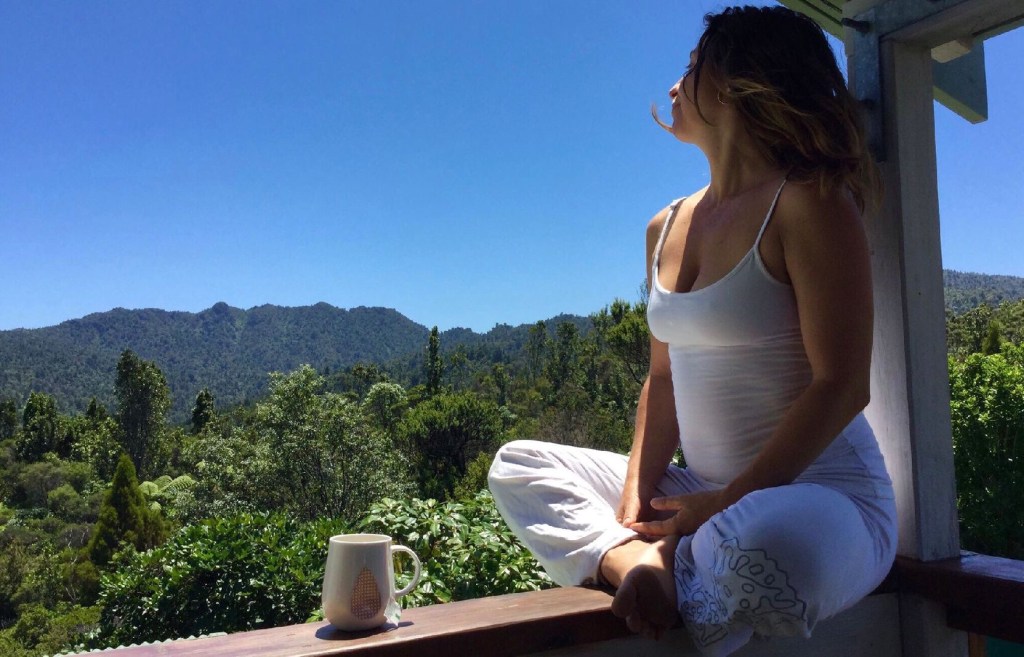
This concept is central to Jungian psychology and thoroughly embraced by the residents of this River Retreat.
It is just this homo totus [whole person] whom we seek. The labors of the doctor as well as the quest of the patient are directed towards that hidden and as yet unmanifest “whole” man, who is at once the greater and the future man.
But the right way to wholeness is made up, unfortunately, of fateful detours and wrong turnings.
It is the longissima via [longest path], not straight but snakelike, a path that unites the opposites in the manner of the guiding caduceus, a path whose labyrinthine twists and turns are not lacking in terrors.
It is on this longissima via that we meet with those experiences which are said to be “inaccessible.”
Their inaccessibility really consists in the fact that they cost us an enormous amount of effort: they demand the very thing we most fear, namely the “wholeness” which we talk about so glibly and which lends itself to endless theorizing, though in actual life we give it the widest possible berth.
Carl Jung Collected Works, Vol. 12, 1968
Psychology and Alchemy
Part I: Introduction to the Religious and Psychological Problems of Alchemy
Another great article on Jung’s concept of wholeness can be found at Seeker to seeker. Enjoy!
 Wholeness River Retreat
Leave a comment